What Is Linux?
Linux is the kernel of an operating system , first created by Linus Torvalds in 1991 . Complete operating systems built around the Linux kernel are called distributions , such as Ubuntu, Linux Mint, Fedora and Debian. In everyday conversation, however, the word “Linux” is often used for the whole system.

Creator of the Linux kernel.
Source: Wikimedia Commons. Photo: LF Asia. Licence: CC BY 3.0.
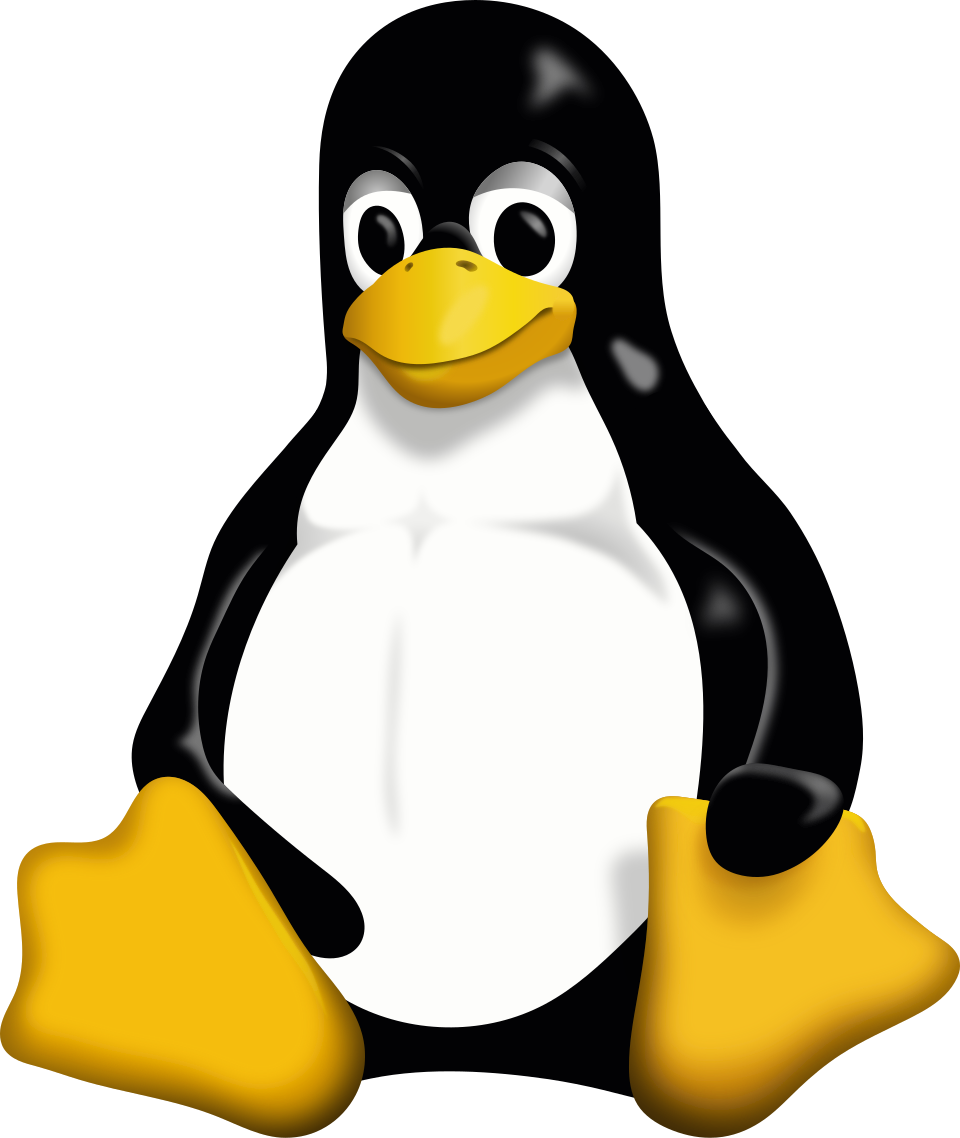
The Linux mascot since 1996.
Creator: Larry Ewing.
Licence: use permitted with attribution to the creator.
Linux in one sentence
The kernel is the core of the system, while a distribution is a complete usable system with a desktop, applications, settings and tools.
The Linux kernel manages the connection between hardware and software. A distribution adds the desktop, system tools, software management, updates and other parts that people need for everyday use.
Open source and the community
Linux is open source. This means that its source code is publicly available and can be studied, improved and shared under the terms of its licence. Individuals, communities, companies and organisations around the world all contribute to its development.
Why does open source matter?
- many people can inspect the code,
- bugs and security problems can be found more quickly,
- users are not necessarily tied to a single provider,
- the community can take part in development and improvements.
A brief Linux timeline
Linux did not appear overnight. The timeline below shows only the key milestones that help a beginner understand how Linux and the wider open source world developed.
| Year | Why does it matter? |
|---|---|
| 1969 | Development of Unix begins, strongly influencing ideas and system design that later shaped Linux. |
| 1983 | Richard Stallman starts the GNU Project and work on a free software environment. |
| 1991 | Linus Torvalds releases the first version of the Linux kernel. |
| 1992 | The Linux kernel adopts version 2 of the GNU GPL, helping wider collaboration and development. |
| 1993 | Debian and Slackware appear, two early distributions that strongly influence the Linux ecosystem. |
| 1996 | Tux becomes the recognisable Linux mascot. |
| 2004 | Ubuntu is released and helps make desktop Linux more accessible to a wider audience. |
| 2007 | The Linux Foundation is formed to support Linux and many other open source projects. |
| 2008 | The first Android phone reaches the market, showing how widely the Linux kernel can be used. |
You do not need to memorise the dates
The important idea is the path: Unix and GNU helped lay the foundations, the Linux kernel brought a growing community together, and distributions made Linux practical for everyday users.
Open source licences
Open source does not mean that there are no rules. Licences explain how software may be used, changed and shared. For a beginner, it is enough to know a few common examples:
- GNU GPL version 2 (GPL-2.0-only) – the Linux kernel as a whole is licensed under version 2 of the GNU General Public License. The licence allows the code to be used, studied and modified, while redistribution comes with requirements designed to preserve the freedoms granted by the licence ( Linux kernel licensing rules ).
- MIT licence – a short and permissive licence that allows broad reuse of code ( MIT License ).
- Apache License – a permissive open source licence often used by larger projects ( Apache License ).
What about Creative Commons?
Creative Commons licences are commonly used for images, text, documents and educational materials. Software code usually uses dedicated software licences such as GPL, MIT or Apache.
Foundations and organisations
Linux and open source software are supported by many communities, companies and organisations. For beginners, these are some useful examples:
- Linux Foundation – provides support, infrastructure and an organisational home for Linux and many other open source projects.
- Linux Foundation Europe – supports collaboration around open source projects in Europe.
- Free Software Foundation (FSF) – advocates for the freedom of software users.
- Debian Social Contract – a good example of the principles behind a large open source community.
Open source in the public sector
Open source is not only used by home users and volunteer communities. It is also supported in the public sector. European initiatives promote open standards, interoperability and greater digital independence.
Final thoughts
Linux is not just one program or one distribution. It is a complete ecosystem: the kernel, distributions, applications, the community and the open source philosophy. You do not need to understand every detail at the beginning – it is enough to know the difference between the kernel and a distribution and to learn the rest gradually.